Product Description
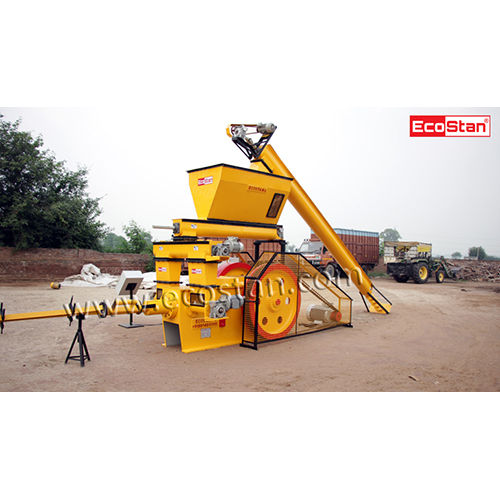
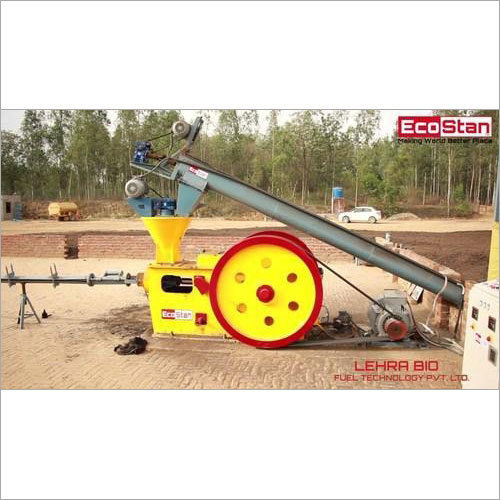
Dual Feed Combo Pellet Cum Briquette Machine is used to turn the waste powder to a regular shape block, which can help to improve the conditions for those powder, make them easy for transportation, storage, and more useful for further usage. The briquette system is able to deal with all kinds of materials with suitable size and moisture. The offered Dual Feed Combo Pellet Cum Briquette Machine is made for commercial uses and is easy to operate. It is very durable.
Product Details
Model No. | Production | Power requirements |
Dualfeed combo 100 | Up to 2800 kg/hr | 118 HP |
Dualfeed combo 90 | Up to 1400 kg/hr up to 2300 kg/hr | 93 HP |
Dualfeed combo70 | Up to 800 kg/hr up to 1400 kg/hr | 61 HP |
This machine is designed with dual feed capability, enabling seamless production of both pellets and briquettes from a single platform. Adjust die type, pellet, and briquette sizes to meet varied industry requirements, and process diverse raw materials-ranging from sawdust to agricultural residues-effectively.
Robust Construction and Easy MaintenanceManufactured with a mild steel body and alloy steel rollers, the machine ensures durability and a service life of 5-8 years with proper maintenance. The centralized automatic lubrication system provides hassle-free upkeep, while safety features like overload protection and an emergency stop enhance operational reliability.
Efficient Performance with Customizable ControlsEnjoy maximum efficiency and flexibility with a production rate of 250-2500 kg/hr, integrated cooling options, and the choice between digital and manual control panels. The machine's heavy-duty motor and automatic feeding increase productivity, while easy pellet and briquette size adjustments allow precise output customization.
FAQ's of Dual Feed Combo Pellet Cum Briquette Machine:
Q: How does the Dual Feed Combo Pellet Cum Briquette Machine operate?
A: The machine utilizes mechanical compression through die and rollers (ring die or flat die, depending on the model) to convert biomass raw materials into pellets and briquettes. The feeding method can be either an automatic conveyor or a manual hopper, providing operational flexibility.
Q: What types of raw materials are compatible with this machine?
A: It efficiently processes agricultural waste, sawdust, husk, and other biomass materials with a recommended moisture content of 8-12% for optimal results. This ensures high-quality pellets and briquettes for energy production or commercial sale.
Q: When should I consider using an automatic conveyor versus a manual hopper for feeding?
A: Automatic conveyor feeding is best suited for continuous, large-scale operations aiming for higher efficiency and reduced labor involvement, while the manual hopper is convenient for smaller batches or more controlled, intermittent production environments.
Q: Where can this machine be effectively used?
A: It is ideal for exporters, manufacturers, and biomass suppliers in India seeking to produce commercial-scale biomass pellets and briquettes for fuel, heating, or industrial use. Its robust design and adaptable output make it suitable for both rural and industrial settings.
Q: What is the maintenance process for this machine?
A: Routine maintenance is simplified by the centralized automatic lubrication system. Regular checks on the rollers, die, and feeding components, along with adherence to proper cleaning and lubrication schedules, will extend service life to 5-8 years.
Q: What benefits does the adjustable pellet and briquette size offer?
A: The machine enables you to produce pellets (6-12 mm) and briquettes (20-90 mm) of customizable diameters. This versatility allows you to meet specific market demands or fuel requirements, maximizing usability and profitability.
Q: How does the integrated safety system enhance machine operation?
A: Built-in overload protection and an emergency stop button ensure safe operation by automatically halting production in case of abnormal load or emergencies, safeguarding both operators and the machine itself.







 Send Inquiry

 Send Inquiry
